Capturing High School Sports: A Photographer's Perspective
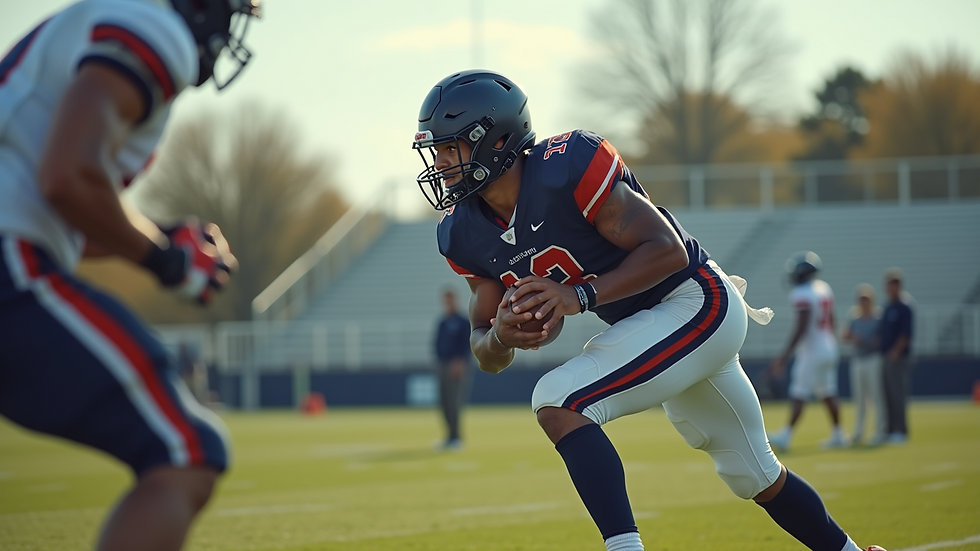
High school sports are a vibrant part of community life, showcasing not only athletic talent but also the spirit and camaraderie of young athletes. As a photographer, capturing these moments is both a challenge and a privilege. The energy, emotion, and sheer determination displayed on the field or court can create stunning visuals that tell a story beyond the game itself. In this blog post, we will explore the techniques, tips, and insights that can help you capture high school sports in a way that resonates with viewers.
Understanding the Environment
The Importance of Location
Before you even pick up your camera, it's crucial to understand the environment where the game will take place. High school sports can occur in various settings, from well-maintained stadiums to makeshift fields. Each location presents unique challenges and opportunities for photography.
Lighting Conditions: Natural light can vary significantly depending on the time of day and weather conditions. Early morning or late afternoon often provides the best light for outdoor sports.
Field Layout: Familiarize yourself with the layout of the field or court. Knowing where the action is likely to happen can help you position yourself effectively.
Equipment Essentials
To capture high school sports effectively, having the right equipment is essential. Here are some must-haves:
Camera: A DSLR or mirrorless camera with a fast autofocus system is ideal for capturing fast-moving subjects.
Lenses: A zoom lens (like a 70-200mm) allows you to get close-up shots from a distance, while a wide-angle lens can capture the atmosphere of the event.
Memory Cards: Bring extra memory cards to ensure you don’t run out of space during the game.
Techniques for Capturing Action
Timing is Everything
One of the most critical aspects of sports photography is timing. Anticipating the action can make the difference between a good shot and a great one. Here are some tips:
Follow the Ball: Keep your eye on the ball and the players involved in the play. This will help you predict where the action will unfold.
Use Burst Mode: Most cameras have a burst mode that allows you to take multiple shots in quick succession. This is particularly useful for capturing fast-paced action.
Composition Matters
The way you frame your shots can significantly impact the final image. Consider these composition techniques:
Rule of Thirds: Position key elements of your shot along the lines of the rule of thirds to create a more dynamic image.
Leading Lines: Use lines on the field, such as the sidelines or goal lines, to draw the viewer's eye into the action.
Capturing Emotion and Storytelling
Focus on the Players
While action shots are essential, capturing the emotions of the players can add depth to your photography. Look for moments of triumph, disappointment, and camaraderie. Here are some ideas:
Close-Ups: Get close to the players during timeouts or breaks to capture their expressions.
Celebrations: Be ready to photograph celebrations after a goal or a significant play. These moments often convey the spirit of the game.
Tell a Story
Each game has its own narrative. Think about how you can convey that story through your images. Consider the following:
Pre-Game Rituals: Capture the moments leading up to the game, such as warm-ups and team huddles.
Post-Game Reflections: Document the aftermath of the game, including the emotions of both winning and losing teams.
Editing Your Photos
Post-Processing Techniques
Once you've captured your images, the editing process is where you can enhance their impact. Here are some editing tips:
Crop for Impact: Don’t be afraid to crop your images to focus on the action or emotion.
Adjust Exposure and Contrast: Fine-tuning these settings can help your images pop and convey the right mood.
Consistency in Style
Developing a consistent editing style can help create a cohesive portfolio. Whether you prefer vibrant colors or a more muted palette, stick to a style that reflects your vision.
Sharing Your Work
Building a Portfolio
As you capture high school sports, consider building a portfolio to showcase your best work. This can be beneficial for:
Gaining Recognition: A well-curated portfolio can attract attention from local teams and schools.
Networking Opportunities: Sharing your work can lead to connections with other photographers and sports enthusiasts.
Engaging with the Community
Engagement is key to building a following. Here are some ways to connect with your audience:
Social Media: Share your images on platforms like Instagram and Facebook, tagging the teams and players involved.
Local Publications: Consider reaching out to local newspapers or online sports blogs to feature your work.
Conclusion
Capturing high school sports is more than just taking pictures; it’s about telling stories and preserving memories. By understanding your environment, mastering your equipment, and focusing on the emotions of the game, you can create powerful images that resonate with viewers. Remember, every game is an opportunity to improve your skills and connect with your community. So grab your camera, head to the next game, and start capturing the unforgettable moments that define high school sports.


Comments